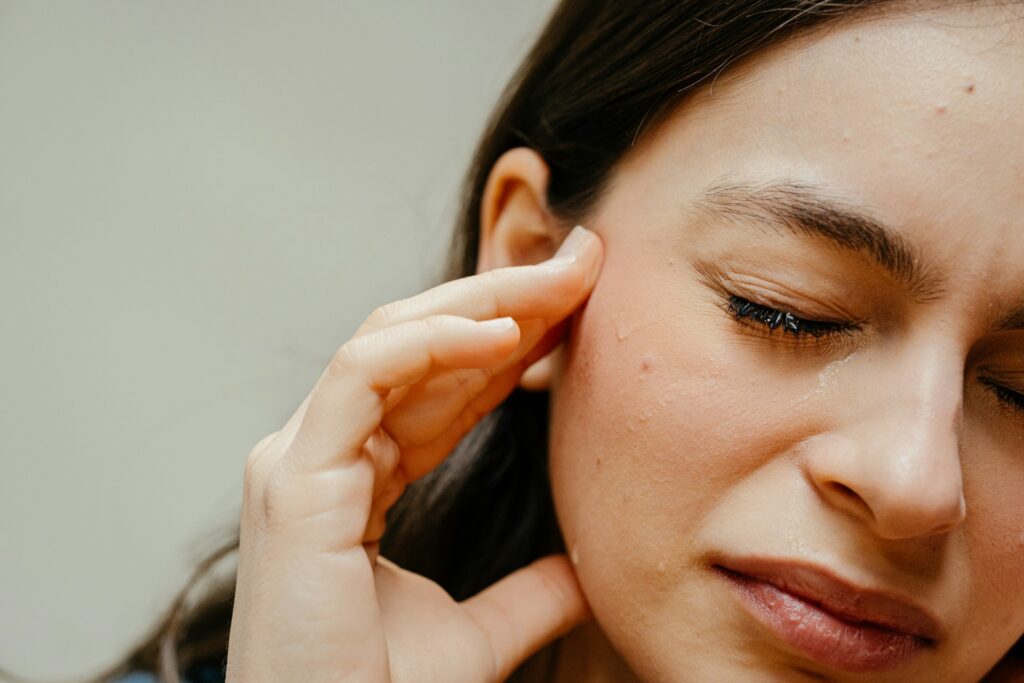
Hearing loss doesn’t always arrive all at once. It can build slowly, tucked beneath the rhythms of daily life. Over the colder months, this change can be easy to miss. Windows stay closed, gatherings pause, and we spend more time indoors in quieter, controlled spaces.
Winter habits can make it easier to overlook small shifts in how we listen. That’s why the shift into spring is the right moment to check in with ourselves. Hearing care isn’t just for when something goes wrong. It’s for keeping pace with changes before they start affecting conversations, confidence, or comfort.
Why Hearing Loss Sometimes Gets Missed During Winter
Winter tends to quiet things down. We stay home more, limit time outside, and might cut back on visits or outings. That reduced activity can make it harder to spot early signs of hearing loss.
- Fewer gatherings mean fewer chances to notice trouble hearing someone speak in a busy room
- Thicker layers, hoods, or beanies might block sound or press against hearing aids
- With everything quieter around us, our ears don’t have to work as hard, so we might not notice a change
It’s only when we return to louder, more active environments that hearing issues become clearer. For many, spring brings just that energy, outdoor events, conversations in parks, and friends we haven’t seen in a while. And suddenly, the parts we missed over winter start to show.
Subtle Signs Your Hearing May Have Changed
The signs aren’t always obvious. In fact, many people are surprised when they realise how much they’ve adjusted without even thinking about it. If you’ve started to:
- Ask others to repeat themselves, especially in noisy places
- Strain to follow group conversations, even when you’re focused
- Turn up the TV or streaming volume higher than usual
then your hearing might have shifted behind the scenes. These patterns develop slowly and often get blamed on background noise or tiredness.
In kids or older adults, the signs might come out differently. A child might seem distracted more often or not hear instructions the first time. An older person might retreat from conversations, frustrated they can’t follow what’s being said.
These changes may feel small at first, but hearing loss can touch more areas of life than we expect. Recognising them early gives us more control and choice in how we manage them.
Habits That Might Affect Your Ears During Cold Weather
Cold weather brings a change in how we look after ourselves, and ears are often left off the list. Certain habits during winter can actually affect our hearing without us knowing.
- Covering ears tightly for warmth can create heat and moisture, which aren’t great for balance inside the ear
- Time spent bedded in with headphones, especially for kids or teens, can push volumes too high for too long
- Ear infections, more common in colder months, can leave behind fluid or strain that affects hearing long after symptoms pass
Even something like staying still for long periods, with minimal movement or sound, can dull the brain’s response to everyday noises. As those habits fade with the season, long-hidden hearing changes surface.
Why Spring Is the Right Time to Reconnect with Hearing Health
Spring has its own rhythm, longer days, open doors, and more outdoor connections. As our surroundings fill with sound again, changes in our hearing grow easier to spot.
- Noise from traffic, birds, and conversations at distance reveal who needs to speak louder for us to hear
- Gatherings pick up again, and following everyone in one conversation becomes more of a challenge
- Warmer weather encourages cleanup habits, not just at home, but with our health too
Spring can be a chance to catch up. Not just on plans we put off, but on how we’ve been feeling. For hearing care, this season helps start the conversation again, especially if we’ve grown used to coping or avoiding hard-to-hear situations.
What Happens During a Hearing Check
A hearing test is gentle, quick, and surprisingly simple. It usually starts with a chat about what you’ve noticed. No pressure, just us listening to your story.
From there:
- We check both ears for blockages like wax that might be affecting sound
- A set of small earphones are used to play sounds at different levels
- You respond by pressing a button or raising your hand when you hear a sound
This gives us a picture of how well you hear across different tones and settings. If something’s off, there are next steps to help work out what support could suit you next. Hearing care is never one-size-fits-all. Each check is about understanding what’s happening for you, right now.
Hearing Step by Step: Ready for a Clearer Season
So much about hearing loss is quiet. It shows up in the pauses, the “what did you say?”, and the effort it takes to stay in the loop. Spring gives us a good time to notice all that.
The season ahead brings more sound, more people, and more movement. It also brings a good excuse to pause and ask how we’re really hearing things. Giving our ears some attention now can make a real difference in how we connect, enjoy company, and move through the day without strain. Small steps in hearing care now help ease the pressure down the road.
At Country Hearing Care, we understand how adjusting to changes in hearing can be especially noticeable as the seasons shift. With spring bringing more opportunities for conversations and gatherings, maintaining your hearing health matters. Everyday sounds feel clearer when we look after our ears, and you can find helpful information about healthy listening throughout the year by reading our page on hearing care. Our team is here to answer your questions or discuss your next steps, so book your appointment today.