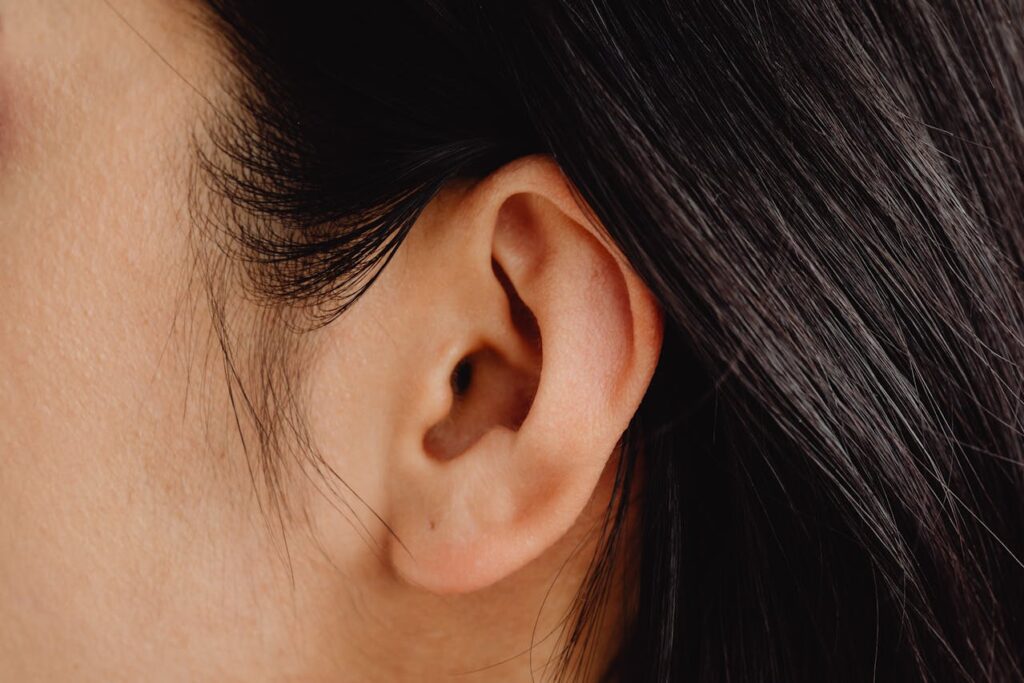
As the temperature drops, we often notice subtle changes in our bodies. Ears are no exception. During the colder months, wax can build up more quickly than usual, which may lead to discomfort or reduced hearing. Good wax management starts with understanding how winter conditions influence ear health and what simple steps can make a difference.
Many people wait until a problem feels big before doing something about it. But cold weather brings its own challenges, and checking in with an audiologist sooner can help avoid blocked ears later on. Managing wax properly this time of year makes it easier to keep things feeling balanced and hearing clear, even when the weather turns brisk.
How Cold Weather Affects Your Ears
Cold air often means dry homes, heaters running, and more time spent indoors. While that might seem harmless, dry air can actually cause earwax to harden faster than it does in warmer months. When hardened wax builds up in the ear canal, it becomes trickier for the body to push it out naturally.
Along with that, quick changes in temperature (like moving from a warm house into the chilly morning air) can make ears feel full or produce popping sensations. This shift can sometimes affect how wax settles or moves inside the ear.
People who already use hearing aids or deal with regular wax problems might notice these changes much more. If the device isn’t sitting right or sound feels blocked, it’s often because wax has backed up sooner than expected. That’s one of the reasons winter check-ins are a smart habit. Ears might need a bit more support to stay comfortable through the season.
Signs You Might Need a Wax Clean
Wax is part of the ear’s natural protection system. But when too much builds up or it doesn’t clear out on its own, it can affect everything from balance to hearing. It isn’t always obvious right away, either.
Watch out for these common signs:
- Sounds seem muffled, especially phone calls or soft voices
- Ears feel full or plugged, with occasional pressure
- It’s harder to hear clearly with hearing aids in
- There’s ringing in the ears or unusual static noises
- You find yourself turning up the TV more than usual
During cold months, these signs can appear quickly. That’s why regular wax management is helpful. What starts as a little build-up can turn into deeper blockages if it’s left too long. Early care can keep wax from becoming a bigger irritation, especially when heaters are used regularly or the air turns extra dry.
Sometimes, people think these warning signals are just part of getting older or normal winter changes. But if you notice a difference in your hearing or comfort, it could just be wax. Checking sooner rather than later helps keep things from becoming uncomfortable when you least expect it.
Safe and Professional Wax Removal Options
It’s tempting to fix earwax problems at home, especially when you feel blocked or uncomfortable. But using cotton buds or objects around the house often makes things worse. They can push wax deeper or scratch the ear canal. That can leave eyes watering and ears sore, with more wax stuck inside.
Instead, audiologists use safer methods to gently remove wax. Some use soft tools that scoop or pull wax out from the outer canal. Others offer warm water rinses or suction options, depending on how much wax is present and how sensitive the ear is.
Clinics that see patients more frequently during cold months understand these seasonal shifts. We take care in colder periods to spot what’s changed and help manage wax in a way that feels easy and safe. Swollen canals, harder wax, or small inflammation from weather changes can make winter wax removal feel different from other times of year. Having it done with care helps keep your ears in better shape all season long.
Sometimes, the method used might need to be changed depending on how long the wax has been building up or how sensitive your ears already are. This is especially important if you use hearing aids or have ever had middle ear problems. Audiologists can check for signs of infection, swelling, or other concerns as part of regular wax management, making sure you feel safe and comfortable throughout the process.
Finding Support That Fits the Season
Winter routines often involve earlier sunsets, more time indoors, and a bit more juggling to get things done through shorter daylight hours. That’s why it helps to plan wax checks and hearing support ahead of time, before things feel urgent. Booking a visit a few weeks before peak cold sets in can prevent blockages from appearing during the busiest part of the season.
Some people benefit from regular visits timed with the change in seasons. This works especially well for hearing aid users or those who usually have more wax during winter.
Look for support that’s easy to access when schedules fill up. You want:
- Flexible appointment slots that match your regular routine
- Options for repeat checks, especially if hearing aids are involved
- Ongoing care if wax tends to move quicker or clog devices often
Clear ears and good hearing mean more confidence going about your winter days. You can focus at work, listen to family and friends, and even enjoy your favourite winter music or TV shows without worrying about blocked sound.
Winter support isn’t just about the clean; it’s about having backup throughout the season. Some clinics keep short-notice slots, faster bookings for hearing aid repairs, or quick check-ups if you feel something’s changed. Having a team that understands your history helps, so you get the right advice every time.
By staying on top of wax management during winter, ears stay clearer and comfort improves too. Sometimes, it’s the small steps that make it easier to focus, join in conversations, or enjoy quiet evenings indoors without that blocked-up feeling.
Stay Clear and Comfortable This Winter
Ears can react differently when winter sets in. Between the dry air, shifts in temperature, and extra time indoors, it’s not unusual to feel more blocked than usual. Hearing changes may come on slowly or all at once, but the signs are there if you know what to look for.
Checking in with an audiologist before winter arrives helps keep hearing steady and ears feeling well. Whether it’s spotting early signs of build-up or doing a gentle clean before things get worse, staying ahead of winter wax problems brings peace of mind. So when the cooler months arrive, you can enjoy quiet mornings, catch the sound of rain on windows, and feel confident knowing your ears are ready for the season.
As the weather cools and indoor heaters work overtime, ear wax can build up faster than usual, making regular care especially important for hearing aid users. We’re here to provide gentle, professional support for the season, including reliable wax management. Book an appointment with Country Hearing Care today to keep your ears comfortable and ready for the months ahead.