Choosing hearing aids for seniors isn’t always straightforward. With so many styles and features on offer, what feels “comfortable” can mean slightly different things to different people. For many older adults, it’s not just about clear sound. It’s about whether the device feels good after hours of wear and fits easily into daily life. We often hear the same question: which hearing aids actually feel right for everyday use? That’s what most people want to know before they commit.
Understanding What “Comfortable” Really Means
Comfort can be personal, but there are a few common threads we look at when helping someone find the right fit. It’s more than just whether the device pinches or not. We have to think about how the hearing aid sits against the ear over time. Something might feel okay for the first hour but grow tiring by the afternoon.
Here are a few comfort factors many seniors care about:
- How soft or flexible the earpiece feels, especially for those with fragile or sensitive skin
- Whether the device stays secure when talking, eating, or walking
- Ease of handling for those with arthritis or limited hand strength
- Whether the sound quality feels natural without needing constant adjustments
Different ears have different shapes, and some people produce more earwax or have skin that can react to certain materials. Finding something that works long-term often means trying a few styles and noting how your ears respond throughout the day.
Behind-the-Ear vs In-the-Ear: How Styles Feel
Two of the most common hearing aid styles for older adults are behind-the-ear (BTE) and in-the-ear (ITE). Each one feels different when worn and suits different needs.
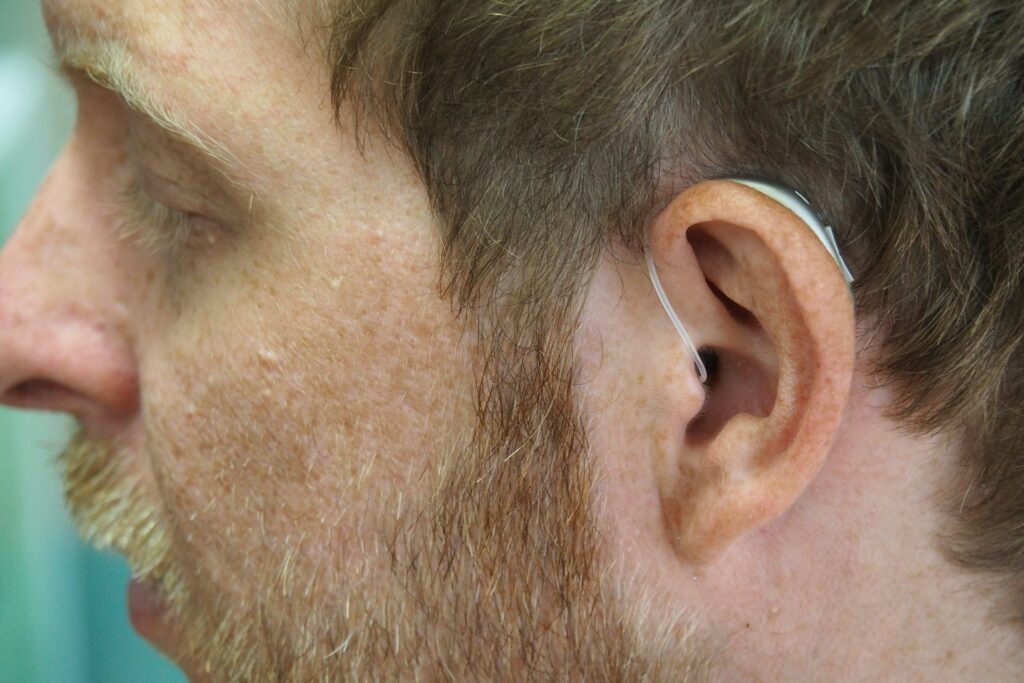
- Behind-the-Ear (BTE): These sit just behind the ear with a small tube going into the ear canal. Many people like them because they’re easier to handle and less likely to cause a plugged-up feeling. They’re often more comfortable during heat because they leave the ear canal open, allowing more air to move through.
- In-the-Ear (ITE): These are custom-moulded to sit entirely in the outer ear or ear canal. Some prefer these because they’re more discreet. But they can feel warmer or tighter for people with smaller canals or who are prone to itchiness or earwax build-up.
For seniors dealing with dexterity or low vision, BTE styles are often easier to manage. They tend to have larger buttons or volume controls that don’t require as much fine finger movement. We always recommend choosing something that fits how you live, not just how it looks.
Dealing With Common Discomforts
It’s normal for hearing aids to take a little getting used to, but ongoing discomfort isn’t something people should ignore. Certain early reactions often show up within the first few days or weeks and might include:
- Itching deep in the ear canal
- Redness or soreness around the outer ear
- Whistling feedback sounds when the aid shifts
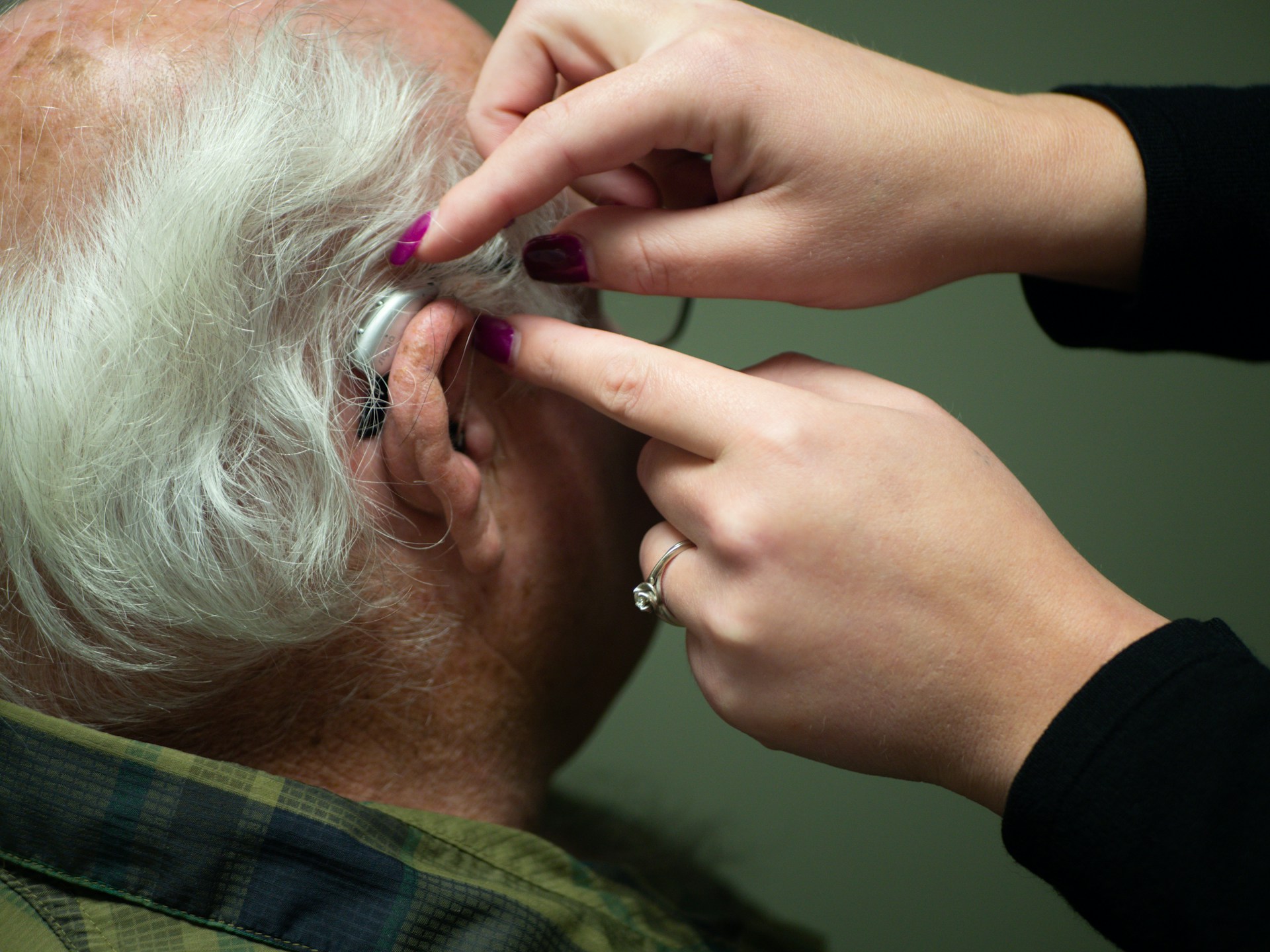
These are usually signs that something isn’t quite right with the fit or settings. The good news is these problems are rarely permanent and often fixed with small adjustments. Sometimes a different dome size, a touch of trimming, or a change in venting can make all the difference. We always encourage coming in for extra checks if the device is bothering you. Getting the right fit might take one or two visits, but it can completely change how the device feels from morning to night.
When new hearing aids are first fitted, some people are surprised at the new sensations, especially deep in the canal or in places where their ear is sensitive. Many seniors find it helpful to wear their hearing aids for just a few hours at first, slowly building up over a week or so as their skin adjusts. During this phase, any persistent discomfort or pain should prompt a quick check-in, as this usually signals something can be improved.
Seasonal Comfort Tips for Mildura Summers
February in Mildura can bring high heat and sticky air, which definitely affect how uncomfortable hearing aids can feel. Sweat, sudden temperature changes, and more outdoor activities can all play a part in how devices perform during this time of year.
Here are a few comfort tips to help hearing aids feel better during summer:
- Use a soft cloth to dry your ears and hearing aids after time outside, especially if you’ve been sweating
- Choose hats or caps made from breathable cotton that sit loosely above your ears
- Open the battery doors at night or use a drying kit if your hearing aids start to feel damp
- Think about leaving the hearing aids out during short water breaks or periods where you won’t need to hear clearly
Summer brings out a lot of movement. Whether it’s gardening in the backyard or heading down to the riverfront, keeping hearing aids comfortable is easier when you stay aware of how the weather impacts your ears. Small habits like wiping moisture away before it builds up can prevent trapped heat or irritation from turning into a bigger problem.
Along with these tips, consider how summer activities may affect your hearing aids’ fit. Sunscreen and moisturisers, which are often used more frequently in warm weather, can sometimes get on hearing aids and make them feel slippery or leave a residue. Wiping devices down with a clean, dry cloth before and after handling can keep them feeling comfortable and avoid accidental slipping.
Match Comfort With Support: Why Fit and Follow-Up Matter
A comfortable hearing aid isn’t just about how it feels the first day, it’s about how it works over time. Hearing changes, ears change, and even wax build-up can creep in without you noticing. That’s why follow-ups help.
Sometimes people come back after a few months saying their device feels tighter or heavier. Often, it’s something simple. They’ve had a change in wax levels, their glasses are sitting differently, or they’ve started a new activity that adds more movement through the day. These shifts can affect how the hearing aid sits or how secure it feels.
If you ever notice a pressure spot forming or the device starting to squeal when your jaw moves, these might be clear signs that a refit is needed. The great thing about regular check-ups is that they can catch small fit issues before they turn into larger problems. Adjustments might be as straightforward as changing the style of dome, trying a different ear mould, or tweaking how the device sits behind your ear.
We always suggest some regular check-ins to keep everything working and feeling right. When hearing aids fit well and stay comfortable, people are much more likely to wear them every day. That’s when the real benefits kick in, when comfort stops being something you notice and becomes something you count on.
Clear and Comfortable Hearing Starts With the Right Fit
Comfort matters just as much as sound when we talk about hearing aids for seniors. If something doesn’t sit right, people are less likely to use it, even if the sound is perfect. That’s why listening to how a hearing aid feels is just as important as how it makes things sound.
Trying different styles, being open about what feels good or not, and staying connected with an audiologist helps every hearing aid work better. When comfort and support go hand in hand, wearing your hearing aids every day becomes less of a chore and more a part of living well through every season.
Finding the right hearing solution depends on comfort, clarity, and reliable support, especially during hot Mildura summers and your daily routine. We are committed to making the process easy by answering questions, helping you try different options, and making adjustments for your comfort. When you are exploring which hearing aids for seniors might be most suitable, our team at Country Hearing Care is ready to guide you. Reach out to arrange an appointment at a time that suits you.