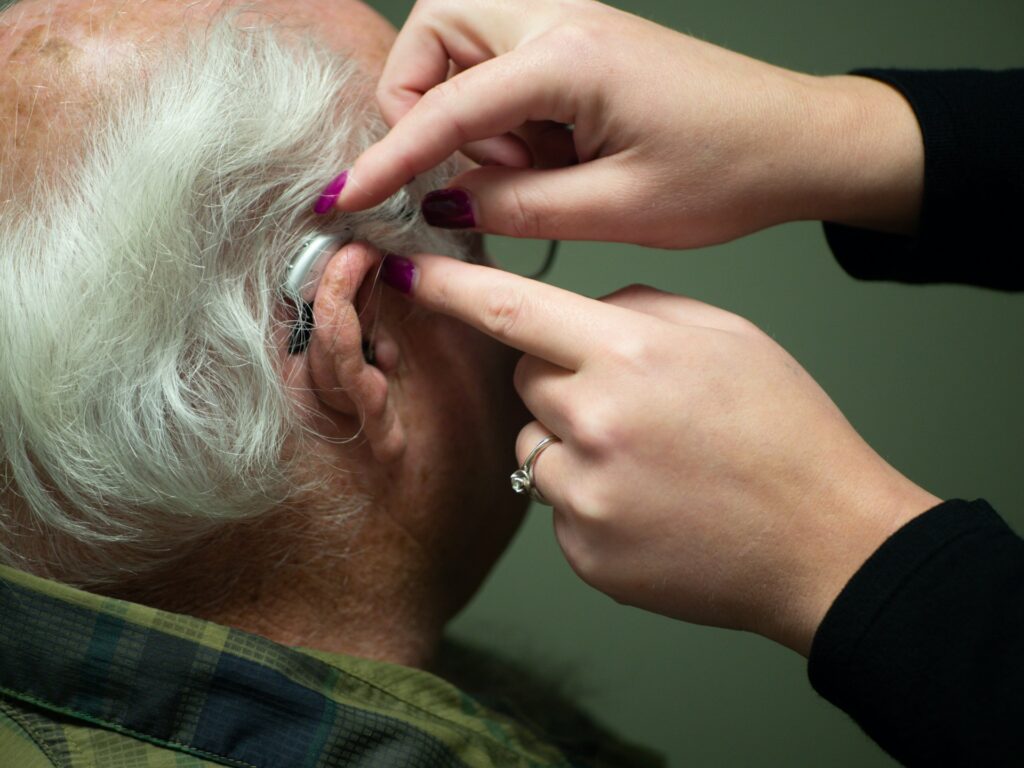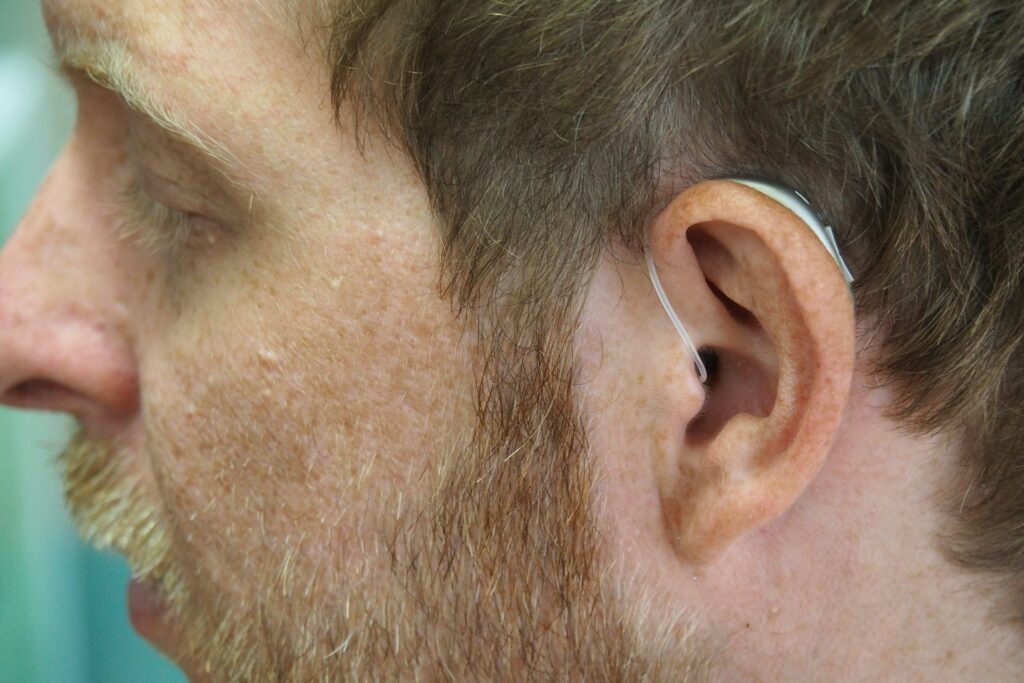
Industrial hearing services are checks and support designed for people who work around loud machines or tools most days. They focus on protecting hearing in noisy jobs like construction, farming, mining, factories, or metalwork. Over time, steady noise on worksites can affect how well we hear, even if it doesn’t seem that loud at first. These services are meant to help catch early problems, provide proper ear protection advice, and make sure hearing stays strong long term.
If you work outdoors with machinery, inside engine rooms, or around power tools daily, this kind of support can make a big difference. Today, we’re talking about who might benefit from regular hearing checks, why they matter more than people think, and what to expect from useful workplace hearing assessments.
How Loud Workplaces Affect Hearing Over Time
Working in loud spaces every day has a way of wearing down your hearing bit by bit. It may not hurt, and you might not notice right away, but changes can still be happening. Over months or years, constant sound exposure can cause wear to the tiny parts inside the ear that help you pick up speech or tell the direction of sound.
Some of the early signs that loud work is taking a toll include:
- Hearing ringing or buzzing in quiet rooms (often the first change people notice)
- Struggling to hear speech clearly when machines are running
- Asking others to repeat themselves more than usual, even outside work
- Needing to turn up the TV or phone louder than before
Many people ignore these small signs or assume it’s just tiredness or age. But catching these issues early means they’re often more manageable and less likely to get worse fast. You may find that over time, even these little annoyances start to add up. Sometimes, people adapt by lip reading or guessing words, rather than realizing their hearing is changing. It’s also common for friends and family to be the first to notice, mentioning that you’re speaking loudly or missing sounds.
What Industrial Hearing Services Include
Industrial hearing services cover a range of checks and advice built around work settings. The goal is to find any changes quickly and figure out the best steps to protect hearing going forward.
Here’s what these services normally include:
- On-site or clinic-based hearing tests that measure your hearing across tones and speech
- Personal advice on hearing protection like earplugs or earmuffs suited to your job
- Information about how to wear protection properly and when to use it
- A private check-in with an audiologist to talk through any hearing concerns
During a standard check-up, we’ll guide a worker through a short hearing test using headphones. It takes just a few minutes and helps show whether hearing is within normal range or if follow-ups are needed. These visits are usually quick and low-stress but can start an important conversation about keeping hearing healthy on the job. The goal is not only to check for damage but to offer guidance and reassurance, helping you to keep doing your job with confidence.
With regular monitoring, maintenance of hearing health becomes second nature. Guidance from an audiologist is key to understanding what level of protection you need for your unique environment, and these services often include practical demonstrations of how to fit and care for protective equipment.
When You Might Need a Hearing Check for Work
We often recommend hearing checks for anyone who works in places where you need to raise your voice to talk. This includes jobs like:
- Construction and building sites
- Agricultural work with loud vehicles or equipment
- Factory and warehouse roles near motors or presses
- Transport or airport jobs with engine exposure
- Trades using drills, grinders, or nail guns
It can also help to book a hearing check after noticing signs like:
- Needing to ask “what?” more than normal
- Trouble following group conversations at lunch or meetings
- Ears ringing or feeling blocked after a long day
- Muffled hearing that clears slowly once you leave work
These checks are not just about detecting damage. They support workplace safety too. If you can’t clearly hear warning sounds or instructions, it can raise the risk of accidents. Regular monitoring makes sure everyone stays safe and connected. More workplaces are recognising that regular checks not only support each worker’s health but also reduce downtime and improve team communication, creating a safer work culture overall.
Employers, managers, and safety officers might require these checks as part of routine safety protocols. If this isn’t the case, it’s still a good idea to stay proactive and get checked annually, especially if you move between roles or change the type of equipment you work with.
Year-Round Hearing Tips for Noisy Work Environments
A few simple habits each day can give your ears a bit of relief, especially when working in sound-heavy spaces for hours.
Try following these habits to reduce strain:
- Take regular quiet breaks throughout the day to let your ears rest
- Keep foam plugs or earmuffs clean and in good condition
- Wear hearing gear properly every time, it only works if it fits right
- Avoid turning up music in earphones to block out loud work sounds
- Give your ears some quiet time at home after long, noisy shifts
- Schedule repeat hearing check-ups even if you feel fine
Protecting hearing is easier when we don’t wait for big warning signs. Noise exposure builds slowly, and so do its effects. Making daily hearing care part of the work routine helps keep it in check. Even small adjustments like replacing worn-out earplugs or chatting with your team about noise levels can have a positive impact. Good hearing habits help reduce fatigue, maintain focus, and let you enjoy your time off without ear discomfort.
If your workday is filled with ongoing noise, try using signals or written instructions alongside spoken words to boost safety. Encourage your team to look out for each other and remind one another about using protection, cleaning equipment, and monitoring ear health. Making hearing checks and good routines a normal part of the job makes it easier and less stressful for everyone.
Keeping Hearing Strong for the Long Haul
Hearing is a key part of safe, confident work, especially in busy, tool-filled spaces. Whether someone’s on a farm, construction crew, or behind the wheel of a loud truck, long-term exposure to sound can change how well we hear. But the earlier we pick up small shifts, the easier it is to manage them.
Industrial hearing services help track those changes, offer guidance on protection, and spot problems before they grow. When care is regular and support is right, workers can stay connected, safer, and more at ease in their everyday roles, now and well into the future.
Making hearing health a normal part of workplace safety pays off in the long run. It provides each worker with the knowledge and support to keep their hearing, and their work, on track. It also sets a standard for looking after all aspects of health alongside physical safety, building a stronger team environment.
Regular exposure to loud machinery or frequent tool use at work can take a toll on your hearing, often without obvious warning signs. Our industrial hearing services are here to support you with the knowledge and care you need to stay protected on the job. At Country Hearing Care, we make it easy to book a hearing check that fits your schedule, helping you stay connected and confident both now and into the future. Give us a call today to discuss how we can help.