At this time of year, it’s pretty common to feel your ears acting up. You step out into the cold and suddenly one ear feels a bit off, like there’s water in it or the sound has just dropped a level. That blocked feeling can make you wonder whether the problem is the winter air or something inside your ear.
We often hear people mixing up weather effects with clogged ear wax symptoms. It makes sense, they can both feel similar at first. A slight pressure, muffled sounds, maybe even the odd ringing. But if that feeling sticks around, it might have less to do with temperature and more to do with a wax build-up you didn’t even realise was there. Knowing what to look (and listen) for can help clear things up faster and keep your ears feeling right as the winter rolls in.
What a Cold Snap Can Do to Your Ears
When the temperature drops, our ears take the hit just like the rest of our body. Cold wind, dry air, and sudden shifts from a warm house to chilly outdoors don’t just feel uncomfortable, they can change how our ears work, at least for a little while.
- Cold air can dry out the skin in and around the ears, making things feel itchy or tight.
- Wind blowing across the ear can create pressure or even lead to that familiar dull ache some people feel in winter.
- Quick changes in temperature, like heading out for the dog walk in the early morning, can shift the air pressure inside your ear canal, causing temporary clogging.
These problems are usually short-lived. Once you get back indoors and warm up, your ears tend to bounce back. That stuffy or muted feeling often disappears just as quickly as it came on. But if it hangs around after things return to normal, you might be dealing with something else.
It’s not just the outside air at play either. Indoor heating in winter can dry the air, which may cause your ears to feel tight or more sensitive after spending time by the heater. Sometimes, going from heat to cold and back again can add to that feeling of ‘blocked’ ears, especially first thing in the morning or at night. People who are sensitive to temperature changes tend to feel it most in the ears because the canals are small and respond quickly. Thankfully, weather-related ear blockages are usually quick to come and go, which can help set them apart from more lingering causes.
How Clogged Ear Wax Feels Different
Clogged ear wax often shows up more quietly. It doesn’t come on as fast or as sharply as weather-related ear issues. Instead, it slowly builds up over time, and before you realise it, your hearing feels off.
Common clogged ear wax symptoms include:
- A feeling of fullness in the ear
- Sounds being muffled on one side
- A low ringing or buzzing that doesn’t stop
- Pressure that doesn’t ease, even after warming up
Unlike ear troubles from a wintry breeze or dry air, wax blockages don’t get better by heading indoors or putting on a beanie. That blocked sensation can stick around for days, sometimes even longer. And because it builds over time, it might take a while to notice just how much it’s affecting your hearing. That’s usually the tip-off that it’s more than cold weather causing the trouble.
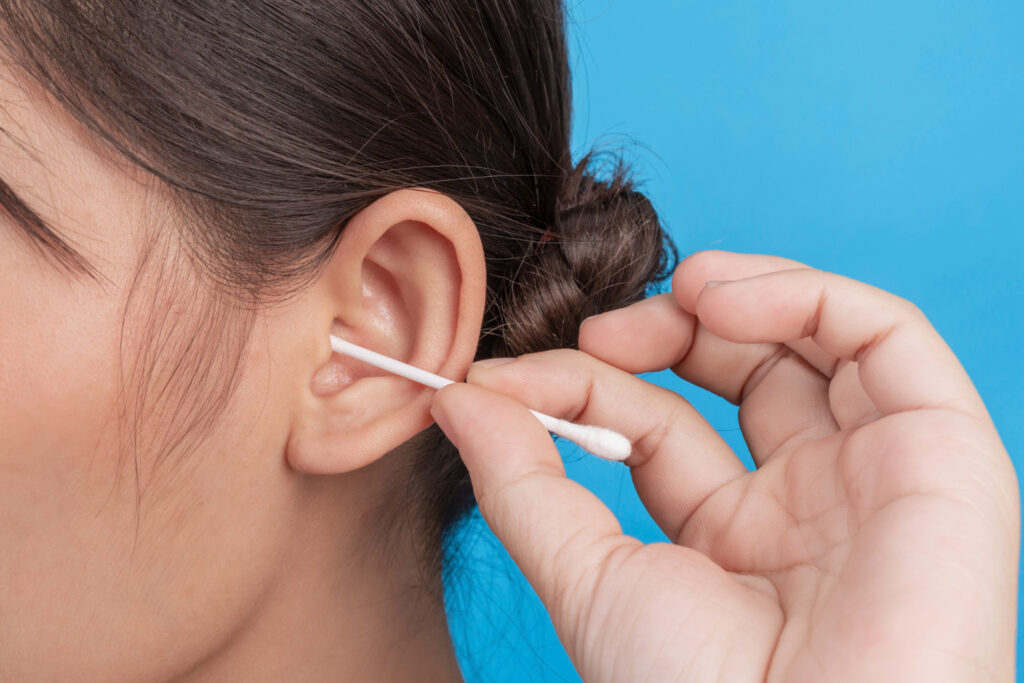
Some people notice their own voice echoing in the affected ear, or a ‘plugged’ sensation that brings frustration. If wax has built up, trying to pop your ears or yawn might not make much difference. Another clue is that symptoms often remain the same no matter if you’re inside, outside, or bundled up. It can be tempting to poke around with a cotton bud, but this can make things worse and may push the wax further in, making the blockage tougher to shift on your own. Recognising the difference between gradually building symptoms and those that come and go with the weather is key to knowing how to respond.
When to See an Audiologist
It can be tough to tell what’s normal in winter and what’s a red flag. But there are a few signs that it’s time to stop guessing and get a proper check.
- The muffled hearing sticks around no matter where you are or what you do
- You’re noticing ongoing ringing or pressure in just one ear
- The hearing loss seems to be getting worse with time
- You’ve tried basic care like keeping your ears warm or dry, and nothing changes
Trying to fix things at home, like poking around with a cotton bud or using over-the-counter drops, often does more harm than good. Wax can get pushed further in, or the skin inside the ear can get scraped or irritated. The safest way forward is booking in with an audiologist who can have a proper look and take care of it safely.
It’s always better to get things checked if you notice changes that persist. An audiologist can identify whether it’s just temporary stuffiness from cold air or an issue needing more attention. That way, you get the support you need and can get back to feeling and hearing your best.
Looking After Your Ears During Cold Weather
Even if your ears feel fine now, there are some easy ways to help keep them healthy through the colder months.
- Wear a soft beanie or ear cover when you’re outside, especially in windy weather
- Try not to let cold air blow directly into your ears for long periods
- If you wear hearing aids, give them time to dry after being outside, and gently wipe them down before bed
- Avoid poking or prodding your ears to relieve pressure, this can make things worse
Taking simple steps like these helps prevent cold-related irritation and might even cut down on wax build-up over time. And if you already use hearing aids, regular checks during winter can help catch problems early.
Sometimes, a daily routine makes all the difference. Give your ears a gentle wipe after coming in from the cold. If you’re prone to dry skin or irritation, using a simple, unscented moisturiser around the outer ear (not inside) can prevent chapping without risking blockage. Remember, keeping your ears dry, warm, and protected is just as important as bundling up your hands or feet.
Stay Clear and Comfortable This Winter
Blocked ears are frustrating, especially when they seem to come out of nowhere. It’s easy to brush off that full feeling as just winter weather, but sometimes it’s a quiet sign that ear wax needs clearing out. Knowing the difference is key.
If your ears still feel blocked after warming up indoors, or if your hearing’s not bouncing back, it might be time to look a little deeper. Being aware of clogged ear wax symptoms can help you decide when it’s time to move from guesswork to proper support. It’s the best way to keep your hearing working well, no matter what the weather’s doing outside.
Lingering blocked or uncomfortable ears after a cold could mean it’s time to check for something more, such as wax build-up. It’s common for these signs to go unnoticed, especially in winter when usual discomfort masks early symptoms. Every day we help people manage clogged ear wax symptoms that just won’t go away on their own. At Country Hearing Care, we’re here to take a proper look and guide you toward the right solution. Give us a call and let’s talk about what your ears might be telling you.