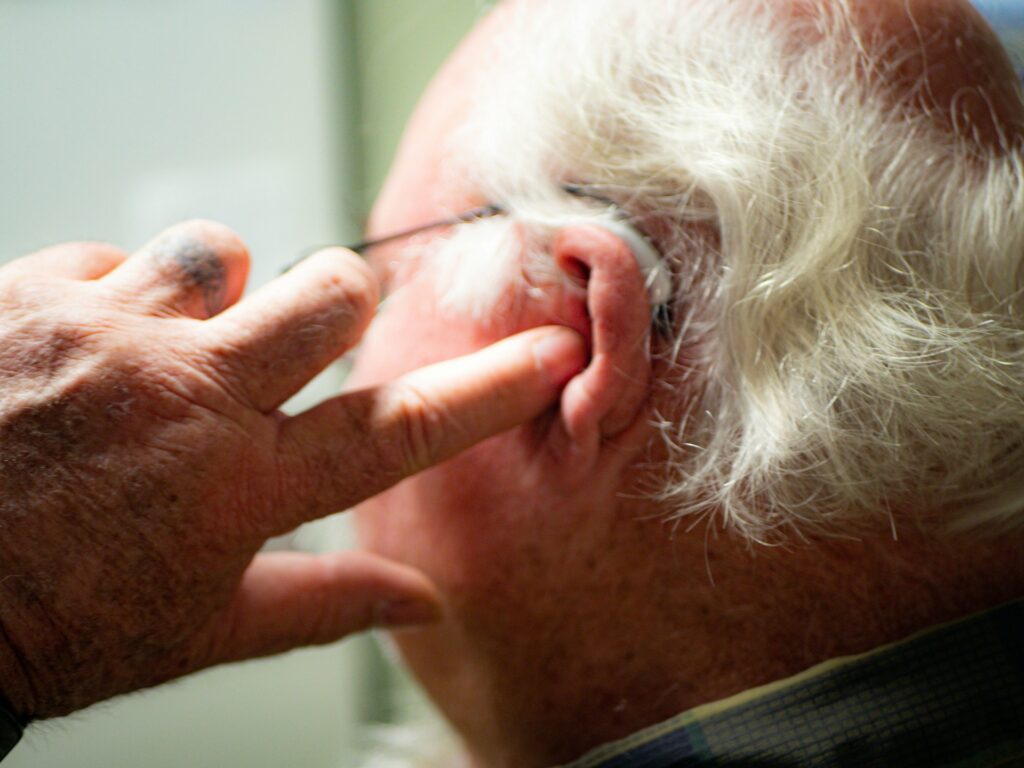
When our ears feel full or sound gets muffled, it’s easy to assume a bit of cleaning will fix it. Many of us turn to basic ear wax cleaners like cotton tips or drops without thinking twice. Even though they’re sold over the counter, not all of them are helpful. In fact, some of these tools can make things worse.
The tricky part is that blocked ears don’t always feel like a big deal at first. They build slowly, and we often learn to put up with it. But if we keep using tools that aren’t right for our ears or use them the wrong way, we can end up with more wax, irritation, or a trip to an audiologist that’s now more urgent than it needed to be. Here are some of the most common ear cleaning methods and why they might cause more problems than they solve.
Cotton Buds: Small Tool, Big Risk
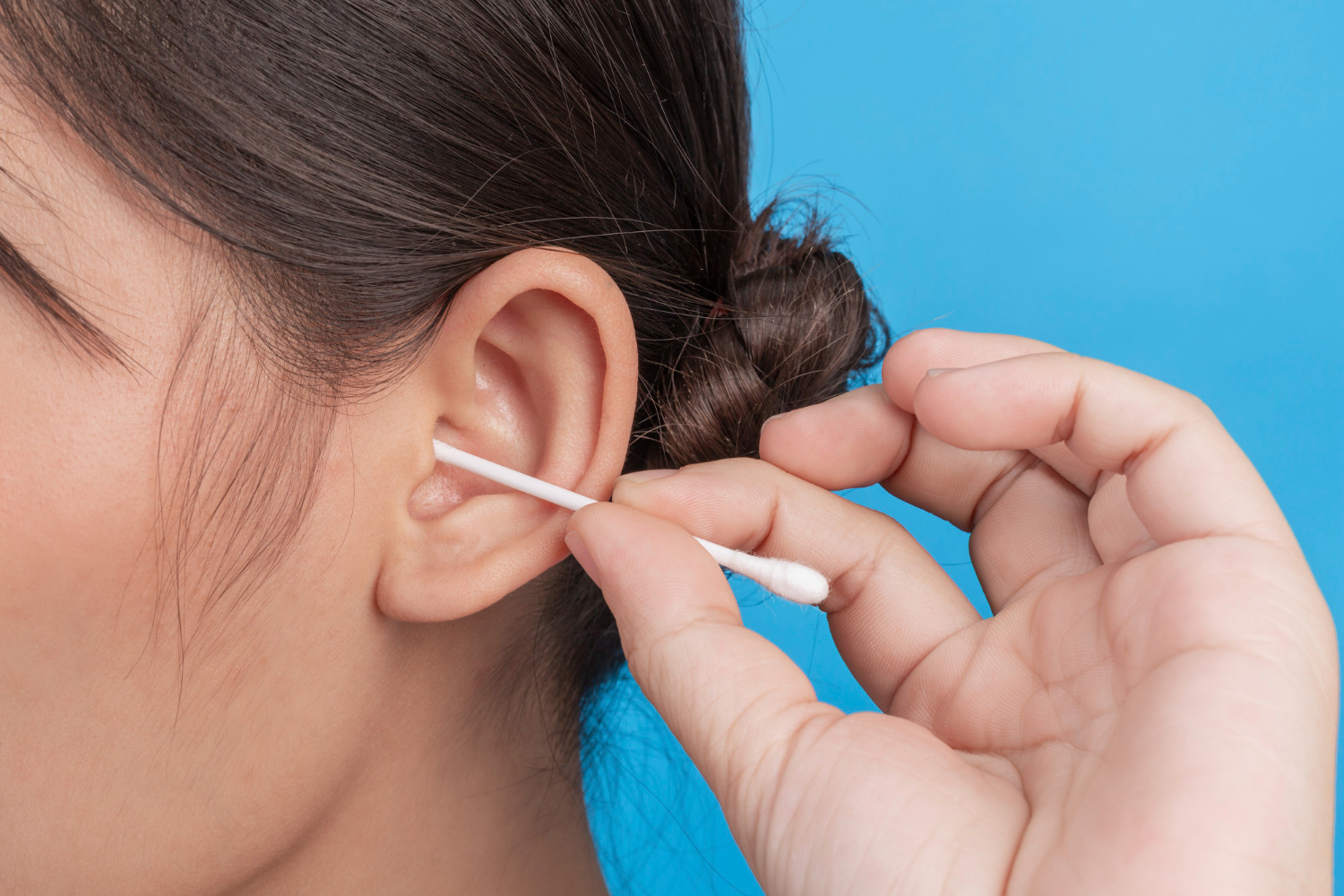
Cotton buds are probably the most common thing people use when their ears feel full or itchy. We understand why. They’re easy to find, small, and feel like they do the trick. But the trouble is, they usually don’t help at all.
- Instead of pulling wax out, cotton buds often push it deeper into the ear canal
- This can cause a blockage or even trap dirt and bacteria where it shouldn’t be
- Scratching the inside of the ear can lead to small cuts or swelling, which hurts and invites more infection
Despite warnings on the packs, many people still rely on them. It’s a habit passed down through families, often starting in childhood. But what feels like a helpful quick fix can do harm over time. Ears are pretty good at cleaning themselves if left to do their thing. Trying to rush the process with cotton buds often backfires.
Sometimes, people use cotton buds for that satisfying itchy feeling, but scratches inside the ear canal can make it easier for germs to lead to infections. If the wax gets pushed deep enough, it can press on the eardrum and bring about pain or a blocked sensation that lingers. These problems aren’t always noticed right away, showing up days or weeks after the latest cleaning attempt.
Ear Candles: A Popular But Problematic Method
Ear candling has grown in popularity, with some believing it gently draws wax out using warm air or suction. The idea sounds simple, but it’s not supported by ear health professionals, and it’s far from safe.
- Ear candles don’t actually create the suction they claim to
- Wax collected by the candle after burning is often just the candle itself breaking down, not wax from the ear
- Serious risks include burns, hot wax dripping inside the ear, or even making a blockage tighter
Some people try ear candles after feeling like nothing else has worked, but these candles can leave you worse off. Instead of helping, they can introduce new pain, extra wax, or even lead to hearing changes for days or weeks. It’s a strong reminder that not everything marked as “natural” or “alternative” is safe for your ears.
Trying ear candles can seem harmless, but whether at home or in a salon, there’s no control over where hot wax goes if the person moves or the candle burns unevenly. Not only could it worsen a blockage, but getting wax on the sensitive skin inside the ear is painful and can take weeks to heal. In rare cases, dripping wax or the burning process may damage the eardrum, creating problems that cost more time and discomfort later.
Drops and Liquid Products: Not Always a Simple Fix
Many of us reach for ear drops when things feel clogged. In stores, we see oil-based softeners, saline blends, or even olive oil in tiny bottles made just for ears. Some of these help in certain cases, especially when used correctly. But they can also cause extra swelling or make wax too runny to clear well if used too often.
- Ear drops can break up wax, but if the canal is already blocked, the liquid can get stuck inside
- Some people find ear drops leave their ears feeling damp or itchy afterward
- If used too much or without waiting long enough between uses, they might lead to soreness or more fullness
The key to using ear drops safely is knowing your own ear shape and how much wax is actually there. Without knowing this, it’s hard to pick what helps and what doesn’t. In some cases, more softening just pushes the problem deeper. Timing matters too. Rushing things or trying to dig out wax just after using drops can push it farther in.
Even mild drops might not be suitable for everyone, especially if there is a small cut or if you have had previous ear infections or grommets as a child. And without help from a trained eye, there’s a chance the moisture from drops will just stay behind the wax, causing a squelching feeling or dampness that’s hard to shake until it dries. This can make everyday sounds muffled and leave your ear prone to a different kind of discomfort.
Online Ear Cleaning Tools and Videos
Over recent years, we’ve seen a rise in online shops selling camera-based ear cleaners and scooping tools. These gadgets promise to help you see and remove wax yourself, from home. Add in viral videos that show wax removal like it’s a game or challenge, and it’s easy to feel tempted to try.
- At-home tools often lack the fine control needed for the narrow, delicate shape of the ear canal
- Too much pressure or a wrong angle with scooping tools can scratch the skin or cause bleeding
- Viral videos don’t show what happens after, like soreness, blocked ears, or missed buildup deeper in the ear
Using visual tools at home might make it feel like you’re doing something helpful, but without the training to understand what’s normal and what’s not, it can be risky. Not everything inside the ear should be removed. Some wax plays a healthy role in protecting skin and keeping out dirt.
Those social media clips showing lots of wax coming out never explain what happens days later when soreness or bleeding sets in. Even minor injuries to the canal can leave it more likely to get infected. Plus, regular scooping removes too much wax, stripping natural oils and drying the skin, which needs to stay healthy to avoid itchiness or flakes that might bother you later on.
The Safer Way Forward: What Audiologists Do Differently
When it comes to managing wax properly, it helps to know what our ears actually need. Audiologists are trained to look deep into the canal and gently figure out what’s going on. They can spot if wax really is the issue or if something else, like an infection or fluid, is behind the odd feeling.
- Audiologists use tools like micro-suction and soft manual methods that don’t push wax further in
- They can tell whether wax is the cause of discomfort or if it’s something else masked as a blockage
- By working with an audiologist, we can safely clear wax and get advice that fits our ears, not just general instructions
Trying to guess what’s wrong based on feeling alone can cause more harm than good. Wax changes over time, and what worked once might not work again. Checking with an audiologist helps avoid repeat issues and gives us peace of mind when our ears don’t feel quite right.
Audiologists also take a careful look for anything else unusual, such as swelling, infection, or a tiny foreign object, instead of just focusing on removing what looks like wax. Their training and gentle approach mean that your ear will get attention suited to its needs, without unnecessary poking or pushing that can make things worse in the long run.
Clear Ears, Clear Comfort
Using the wrong ear wax cleaners can cause more trouble than people expect. From cotton buds to ear candles to online tools, many products seem safe but don’t help the way we hope. Instead of clearing wax, they push it deeper or lead to infections, irritation, or damage that stays hidden until pain shows up.
Noticing changes early and paying attention to what your ears are telling you can make a big difference. If something feels off, try not to fix it on your own. Knowing when to stop and when to ask a professional helps keep things feeling normal again. Clear ears help us hear better, feel balanced, and stay connected with the world around us.
If you’re tired of dealing with the frustration of ear blockages caused by ineffective cleaning methods, it’s time to consider professional help. At Country Hearing Care, we specialize in safe and effective wax management to ensure your ears stay healthy and comfortable. Don’t let common ear cleaning tools cause more harm than good. Reach out to us today and trust our experts to manage your ear health with care and precision.