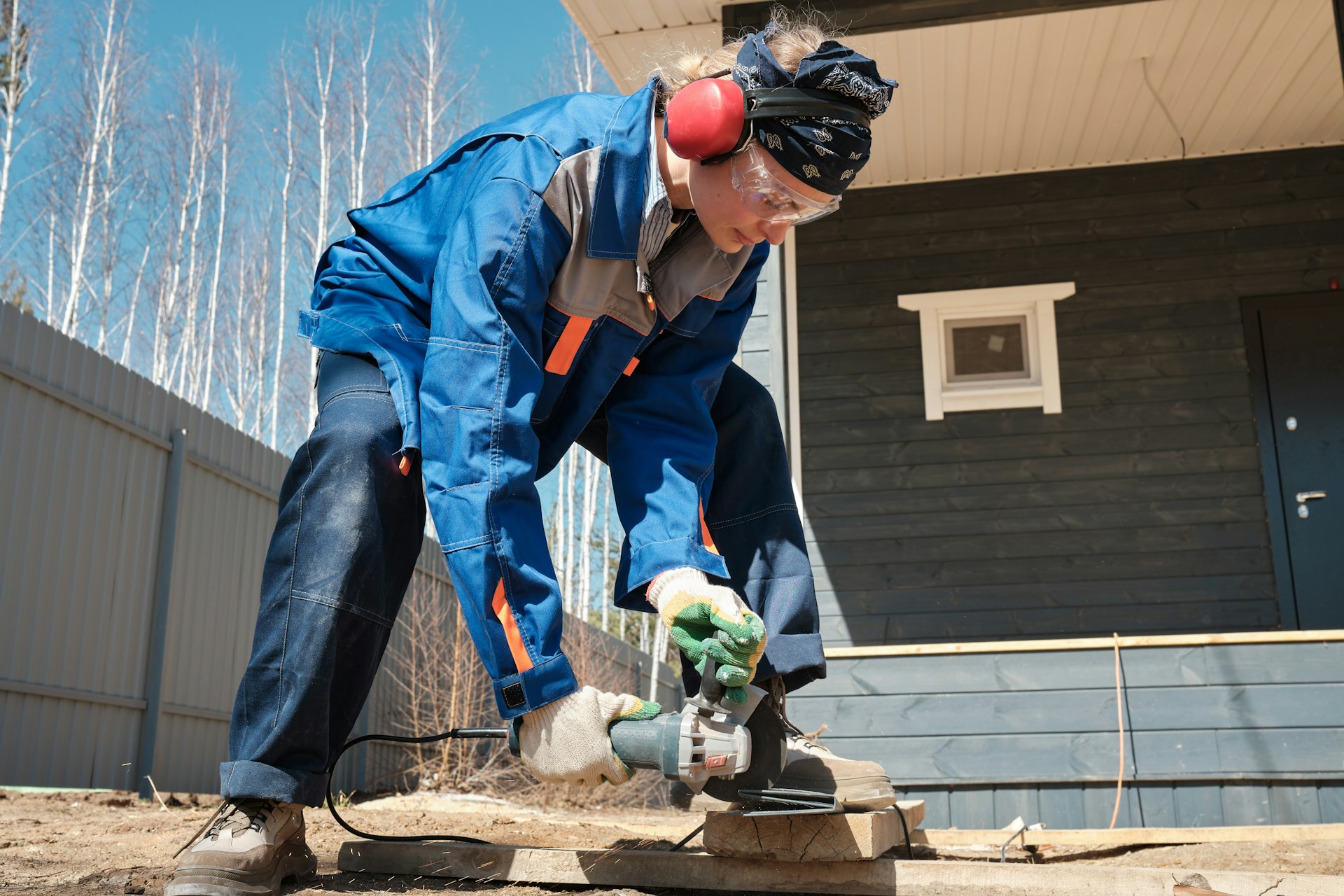
Working outdoors often means dealing with loud equipment, strong winds, and shifting weather. These conditions can easily lead to hearing trouble if we’re not careful. July, with its colder mornings and damp air, can add extra pressure on our ears, making early signs of change harder to pick up.
This is where industrial hearing services become helpful. These services are built around the specific needs of outdoor work, like farming, road crews, and construction. From simple hearing checks to protection plans, they give us a way to stay on top of our hearing health before small problems grow bigger. Even if you think you are used to noisy or tough conditions, extra attention during the winter months often pays off in comfort and safety.
Understanding Outdoor Noise Exposure
Many outdoor jobs come with unavoidable loud sounds. Whether it’s the steady hum of a tractor, the sharp crack of a nail gun, or the grind of a cement mixer, these sounds can push our ears beyond what they handle day after day. It’s not just one big noise that does the damage. Long hours around moderate levels can be just as tough when added up over time, and sometimes we don’t even notice it happening.
In July, colder and wetter conditions don’t always make things quieter. If anything, they can hide warning signs. Wind and drizzle can mute softer sounds, like a backup alarm or a nearby coworker calling out. This makes it harder to notice how loud the worksite really is or how much noise your ears are working against. The layering of hats, hoods, or equipment for warmth can further muffle hearing, which might cause you to miss softer noises or early signs of ear fatigue.
Some early signs of hearing damage include:
- Needing to ask people to repeat themselves
- A buzzing or ringing in the ears at night
- Feeling tired after conversations or meetings
- Trouble following group discussions when machinery is running
- Taking longer to react to sounds in the background
We often put these signs down to tiredness or distractions, but they’re an early clue that our hearing may be under pressure. If you notice even mild ringing, or if you find background noise is drowning out speech more than usual, it’s time to pay extra attention.
How Industrial Hearing Services Can Help
Getting support through industrial hearing services is one of the most straightforward ways to stay ahead of workplace hearing loss. The key is early action. Even a small drop across certain sounds can affect how well we work, and how safe we are while doing it.
Here’s what a proper hearing check includes:
- Listening to sounds at different levels and pitches
- Checking for signs of hearing strain in both ears
- Talking with an audiologist about what parts of the job may be causing issues
- Getting advice on how to limit exposure during the harshest or noisiest times
The right protection plan might include earmuffs, custom-fit plugs, or changes to how often workers are exposed to loud spots. But it’s the testing that sets the base. An audiologist doesn’t just do the check. They help us understand the results in plain terms and recommend steps that match our workday needs, not just a one-size-fits-all fix. Sometimes, you’ll also get tips matched to your specific site or routine, like which tasks are most likely to cause long-term ear strain.
Staying in touch with industrial hearing services throughout winter also helps keep your protection practices current, as work routines and weather evolve. If you’re working long days, anyway, adding in a quick check once or twice during the season can be a simple habit.
Cold Weather and Its Effects on Ear Health
Colder months bring their own trouble when it comes to the ears. We don’t always connect the dots, but wind and chilly air can change how our ears respond to sound. Some workers notice their ears block up or feel sore by the end of a winter day.
Dry air from heaters, mixed with less sweat in cold weather, can cause earwax to get harder than usual. This can block the ear canal and cause muffled hearing, especially if we often wear ear gear. Cold wind can also increase the risk of middle ear problems, which make everything sound like it’s under water. If your hearing aid or protection doesn’t fit quite the same way in the cold, it might let in more chill or create pressure points that cause soreness or swelling.
Ear infections also tend to work their way in during winter. Warm hats or earmuffs might seem like a fix, but they can trap moisture, which sometimes encourages bugs you don’t want. If you notice warmth, itch, or pressure that doesn’t go away, a quick check can rule out bigger issues.
July is a smart time to take stock of hearing, especially before we get too deep into late winter. If anything has started sounding off, or if gear isn’t fitting the way it used to, a check-in now can stop worse issues before August rolls in. Being proactive now can help avoid downtime during the busiest or roughest weather.
Simple Changes That Support Hearing on the Job
There’s no magic fix for sound exposure, but a few small habits can add strong protection over time. Most people just need a nudge to get started.
- Use earmuffs or plugs during noisy tasks, not just the loudest ones
- Let your ears air out at breaks to avoid sweat and pressure build-up
- Clear out built-up wax safely with help from a hearing clinic
- Store hearing gear dry and clean so it doesn’t add hidden pressure
- Check the fit of earmuffs or plugs regularly, especially after washing winter hats or jackets
- Rotate tasks when possible, so no one spends endless hours near the loudest equipment
One thing that makes a big difference is sticking to the habit. We often start strong but then let it slip when things get busy. Winter can make this worse, as gloves, hats, or hoods compete with ear protection. It helps to talk openly with mates on site about how to make hearing safeguards an easy part of the routine. Even setting a reminder before starting the day helps some people make these checks automatic. On sites with regular safety meetings, bringing up ear care alongside other winter risks keeps it on everyone’s radar.
If you use hearing aids, clean and test them more often through winter to make sure dampness or wax isn’t sneaking in. Getting ahead of little issues can help you catch words more clearly, keep up with workmates, and avoid mistakes.
Protect Your Ears and Stay on the Tools Longer
Staying sharp on a worksite is about more than eyesight or strength. Clear hearing lets us follow directions, hear warnings, and stay safe around moving parts. When our ears start to fade, even a little, those messages can get lost in the background, but we don’t always notice until the gap gets big.
Routine hearing checks and small daily habits are the best tools we’ve got to protect what we’ve already got. When winter puts more weight on our ears, that’s exactly the right time to step in. Keeping our hearing solid means we stay quicker on the job, safer with tools, and better in tune with the people around us, no matter the weather.
Bringing ear health into the regular work routine is just as important as checking tools or planning for rough weather. Whether you’re running machinery, working with a team, or spending hours alone on distant fences, healthy hearing is a big piece of staying safe and doing your best work, especially when cold and noise come together.
Spending your workdays outdoors around noisy tools or heavy trucks can take a toll on your ears, especially during winter with cold winds and damp gear. Booking one of our industrial hearing services is a smart way to catch small changes early before they impact how you work. At Country Hearing Care, we help you notice subtle signs and keep your hearing in top shape, so give us a call to schedule your next appointment.